Movies
Ranking The 26 James Bond Films
The journey is complete. There was a slight hiccup with the number of films we counted (thanks a lot, Never Say Never Again), but we got here. I have been […]
Movies…with a little bit of obscure culture and sports mixed in
The journey is complete. There was a slight hiccup with the number of films we counted (thanks a lot, Never Say Never Again), but we got here. I have been […]
The journey is complete. There was a slight hiccup with the number of films we counted (thanks a lot, Never Say Never Again), but we got here. I have been individually posting my thoughts on each of the major motion picture 007 films for the last two months. For those who haven’t been following oh-so-diligently reading snippets every other day, I give you the full list—all 26 films in order here. The full list. The whole shebang.
For the record, these rankings are my personal preferences and are totally subjective. When will we next get a Bond adventure? Who the hell knows? There are extensive rumors that Aaron Taylor-Johnson is the leading man for the job. Still, the timing and official announcement will all come from Michael G. Wilson and Barbara Broccoli, who own EON Productions Limited. This United Kingdom-based production company has made 25 canon bonds, and they take their sweet time in making decisions.
In the meantime, enjoy my rankings and look forward to some truly unnecessary analytics. There will also be a list of James Bond theme songs, which will surely be a fun exercise in determining how musically illiterate I am.
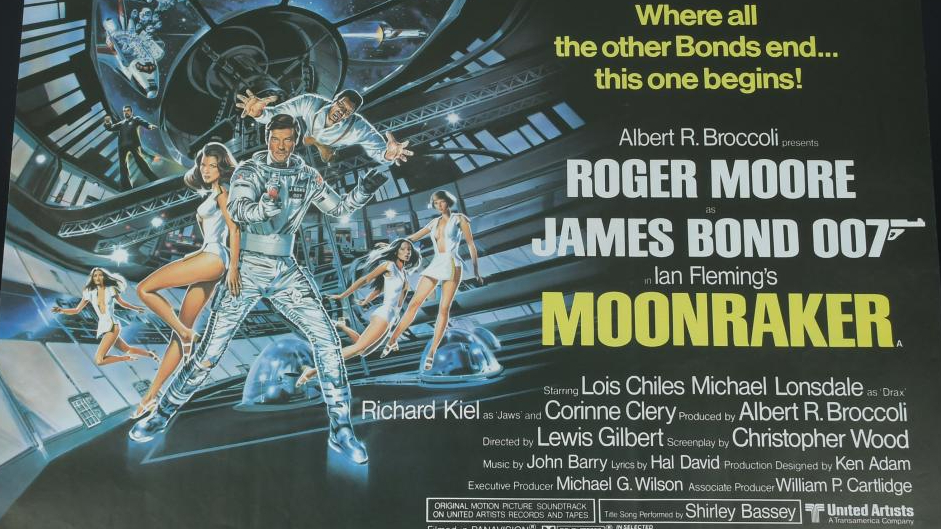
It’s bad. It’s really bad. It is the worst.
Moonraker has a bad rep within the 007 universe, and rightfully so. An attempt at cashing in on the science fiction Star Wars craze results in a piss-poor screenplay that rehashes previously done bits rather than trying to be something new. Does Roger Moore love a life-saving parachute and fast-paced boat chase scenes more than anyone else?
Moonraker can’t be discussed with Jaws and the strange love story with a random pony-tailed blonde that’s eventually crucial to the plot. It’s jarring when first hinted at, but then you see her on the spaceship, and you know it will eventually play some part. I’m not entirely sure why screenwriter Christopher Wood humanized a metal-mouthed bad guy, but it’s universally agreed that such a choice proved unfruitful.
Perhaps one thing I should say about Moonraker is that I have no need to go back and rewatch the final moments of Star Wars: A New Hope. The ending of this particular space adventure is a very cheap imitation of Luke Skywalker taking aim at the end of the Death Star. Eyes on target…eyes on target…
One last thing. Lewis Gilbert directed three Bond movies, two of which are some of my least favorite, and one is among the best. What are the odds of that?
STANKO RATING: F
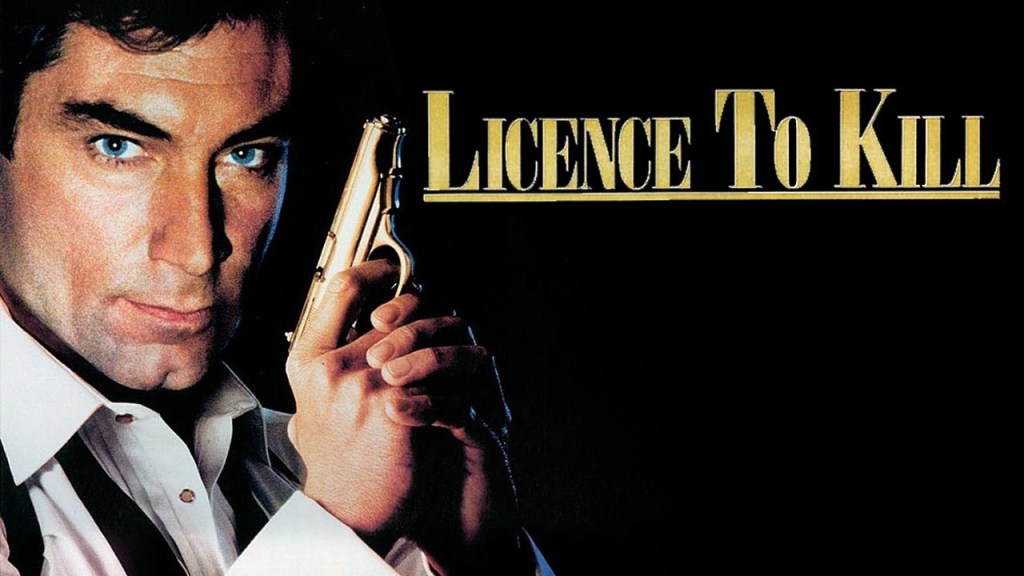
Timothy Dalton brought a grounded approach to James in his debut movie The Living Daylights. Rather than staying the course and touching up smaller cracks from a solid reboot, director John Glen and Dalton decided to take another sharp turn with License To Kill.
In Dalton and Glen’s farewell to 007, the MI6 special agent no longer serves Queen or country. Instead, Bond goes on a brutal revenge mission. The stage for the movie is set when Felix Leiter’s wife is killed on their wedding day, and Felix himself is mauled from the waist down after having been tortured by sharks. License To Kill amps up the violence and villainy in a way that seems forced. For example, one of the movie’s opening scenes has the villain Franz Sanchez whipping his girlfriend, Lupe Lamora. It’s uncomfortable and not earned one bit.
There is the tone that License To Kill takes, and then there is the execution. Neither component is strong. Why are moments of comedic absurdness still popping up for a movie that wants to appear more hard-nosed than previous adventures? The 18-wheeler doing a skateboard trick to avoid a rocket launcher is just preposterous.
License To Kill steers itself clear off the road and becomes a cascading debacle. There are some spontaneous moments where an explosion can catch your eye, but the end result is a pile of rubble that will rust forever as a sad shade of forgettable.
STANKO RATING: D
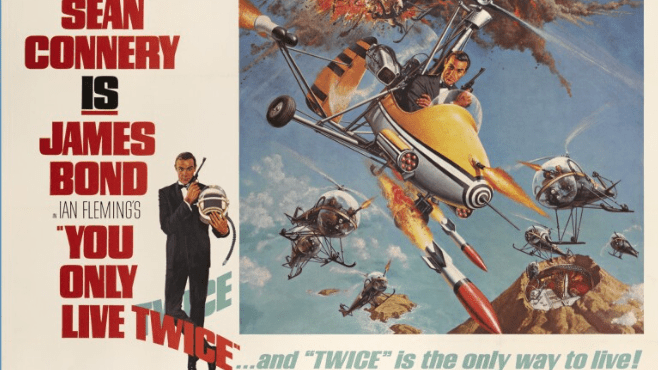
Alright, we have our first bad Sean Connery James Bond movie. It has happened.
You Only Live Twice takes place in Japan. Bond pairs with the Japanese secret service to find and stop a series of spaceship hijackings. The United States and Russia blame each other for the outer space kidnappings, which means that the Cold War is about to become another World War.
You Only Live Twice is not worth watching twice. Director Lewis Gilbert’s first of three Bond movies has the pressure of revealing Blofeld, and if not for this scarred eye, then You Only Live Twice can be utterly forgotten. The movie has not aged well. Bond is seducing every woman, and it just doesn’t make sense. I am not saying it normally does, but it is egregiously bad. And Bond becoming Japanese and the concept of a Ninja army had me confuzzled. So Tanaka just had this compound of Ninjas training this entire time?
Also, there isn’t a whisper of an evil superpowered henchman. No villain Bond faces off against seems dangerous enough to beat him, which means fewer catchphrases.
Thunderball reached a ridiculous level, but it still managed to be a good movie. You Only Live Twice lacks the backbone of competency to hold it up.
STANKO RATING: D+

Can we be real? The name of this film stinks. The fact that “Octopussy” is said unironically so many times in the movie makes the experience very…odd. Perhaps some of you are tossing the challenge flag and calling me soft. I’ll stand my ground and take those shots.
The premise of Octopussy is great, but the execution suffers. The film starts with a mysterious clown running through the woods, followed by the establishment of the fake jewelry scandal. Everything up to the auction is good fun, but once the concept of a nuclear device is tossed into the plot, the air in the fun balloon begins to leak.
Watching Octopussy and seeing the compound of beautiful women under the eyes of Octopussy reminds me of Monty Python And The Holy Grail when Sir Galahad enters Castle Anthrax and is flummoxed by the number of nuns interested in him.
Octopussy also returns to the same sort of relations between the United States, Russia, and Great Britain. American entities are in danger, and Bond must save the Red, White, and Blue. The Russians are causing trouble, but in the end, they must keep amicable relations with one another so it’s a handshake and forgotten.
There is one more Roger Moore after Octopussy, and here’s to hoping that the aging 007 can end his run with a bang rather than a whimper.
And again, the title Octopussy is just so bad. How did this word get through the writing room, production, everything?
STANKO RATING: D
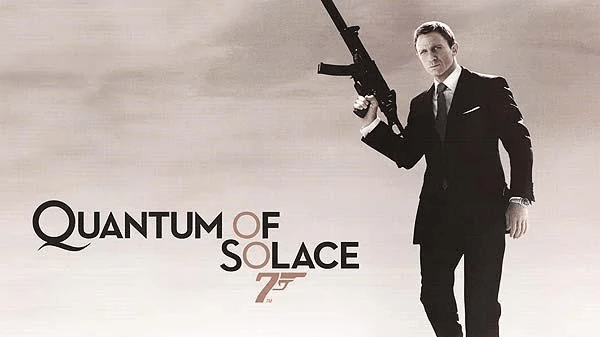
What an absolute mess. Quantum Of Solace is beyond a stepdown from Craig’s debut film, Casino Royale. To have this disaster of a movie be the follow-up to Martin Campbell’s critical and box office reboot is a crime.
Quantum Of Solace‘s final product is like an elementary school child smooshing together soggy puzzle pieces. The plot, which picks up immediately after the great final scene of Casino Royale, ends up being a mish-mosh of Bond striving for revenge accompanied by a bad Bond villain who’s unfortunately portrayed by Mathieu Amalric.
The action in Solace is terrible, and that stems from a script that was constantly under revision because of the Hollywood writer’s strike. The entire movie-making process was rushed, and the constant pushing of the gas pedal resulted in just five weeks to edit the whole film. For reference, director Marc Forster would, on average, take 14 weeks to edit his previous films.
Olga Kurylenko is not a good female lead alongside Craig. Playing the part of Camille, one never feels the chemistry needed for a pair that shares a ton of screen time. Gemma Arterton becomes part of the shallow Bond girl and dies in an homage to Goldfinger. Her talents are wasted because she shared more with Craig in her five minutes than anything Kurylenko had brought.
Quantum Of Solace is a bad movie. The fact that they rushed it, given the writer’s strike and all the production issues, makes it an even more depressing watch.
Also, it is very interesting that Ian Fleming is not credited as a writer at all.
STANKO RATING: D
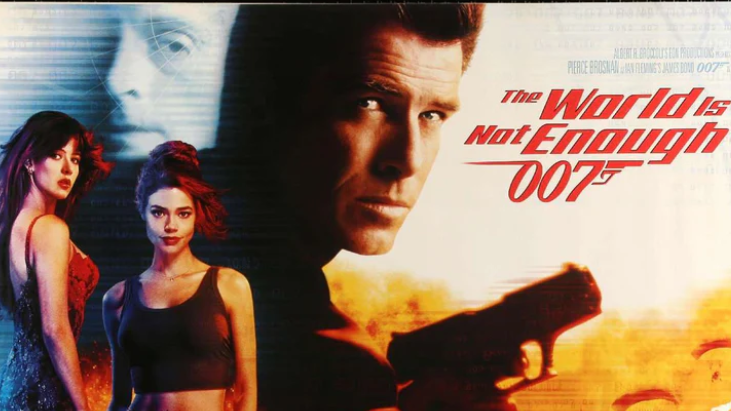
Everything with Dr. Christmas Jones is terrible. I’m terribly sorry, but Denise Richards drains the swamp with her role in The World Is Not Enough. She arrives about halfway through the movie and mentions she’s a doctor and knows science no less than 1000 times.
The other woman in this story is Elektra, and to be fair, Sophie Marceau does well in the part. She doesn’t seem out of place in the story, and the over-the-topness of her deliveries is matched with her demeanor. The Stockholm syndrome with Renard is both insane and makes a bit of sense. The character of Renard is insane in his own right….the dude can’t feel pain.
The World Is Not Enough also commits a rather major sin and makes M, played by the great Dame Judi Dench, seem like an absolute idiot. We have a villain who wants vengeance on the queen of Britain’s spy agency…a storyline that will be perfected a few years later.
The one thing that The World Is Not Enough does right is send off Desmond Llewelyn as Q. The man who appeared in more Bond movies than anyone gets some final quips in and successfully hands it off to John Cleese. It was never bad to see Llewelyn pop up in the story, even if it was formulaic.
STANKO RATING: D+
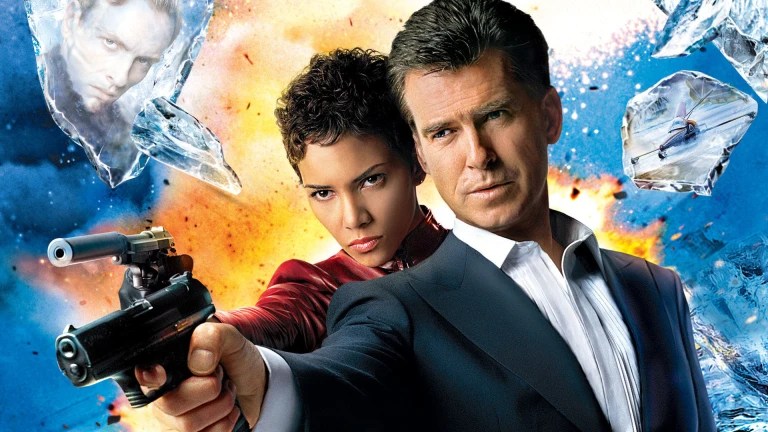
Die Another Day was the first Bond movie I ever saw. I watched it with my old friend Cullan, and then rewatched it a bunch of times. I was nervous about the rewatch because I had sentimental feelings toward this espionage adventure.
That said, even old feelings of personal nostalgia can’t prevent the fact that Die Another Day is a very poor 007 experience. Brosnan’s farewell to the character amplifies the corniness, revs up the CGI reliance, and bends suspension of disbelief past Bond levels of acceptability.
The plot of Die Another Day is not half bad. North Korea, the demilitarized zone, and potential international conflict are enough, but it wouldn’t be a Bond venture without an insane space weapon program. Gustav Graves, who again, on the surface level, is okay as a bad guy, has an absurd backstory built-in of DNA therapy. Every villain needs a lair, but a perfect temperature-regulated ice castle seems more fitting for a children’s story than an adult international mystery.
Die Another Day goes too far in all the choices it made.
What the movie does have in its favor is the fact that it’s Rosamund Pike’s feature film debut, and for that, the world is a better place. There is also the undeniable Halle Berry scene of her coming out of the ocean, which forever changed many lives. So perhaps it’s not all bad, but much of it is terrible.
STANKO RATING: D
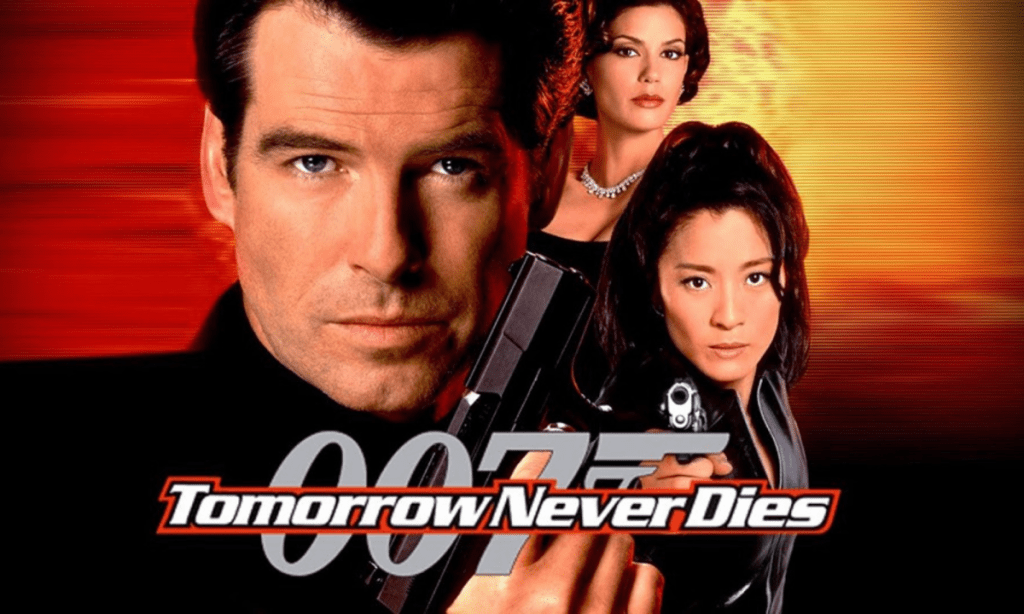
After the high of GoldenEye, the 007 universe was due for a letdown. They got it with Tomorrow Never Dies. The second Pierce Brosnan venture centers around James Bond tangling with a media mogul, Elliot Carver, who is steadfast on starting World War III and profiting off it.
Jonathan Pryce plays the part of Carver, and it’s one of the few times in the Bond franchise where the casting of the villain is wrong. The misstep with the antagonist is reminiscent of Octopussy and Quantum Of Solace. Pryce’s part of villainy isn’t intimidating, scary, or, frankly, all that smart.
It’s a bit damning to Tomorrow Never Dies that its most thought-provoking aspect is its portrayal of the media and how it generates its own headlines. Newspapers are no longer the vessel for breaking news, but the idea of the media feeding upon itself and wishing for hardship to create more profit is nothing new. There is no denying that the worse the world is, the more money and attention media outlets get.
And how about this for a fun fact. Anthony Hopkins was meant to play Carver. He was signed and on set…but only for three days. The production process for Tomorrow Never Dies was so chaotic that Hopkins pulled out of the role and ventured onto the set of The Mask Of Zorro (1998). For that, one can be eternally grateful. Martin Campbell strikes gold again.
And yes, I know this is three straight Brosnan films in a row. That says something, doesn’t it?
STANKO RATING: C-
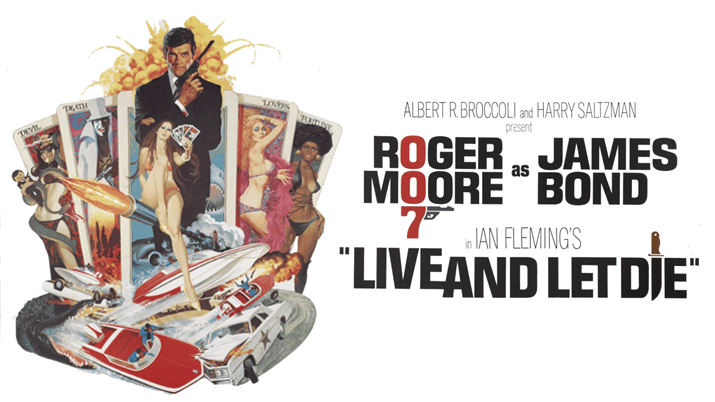
There is an argument that the song Live And Let Die by Paul McCartney and The Wings is the greatest Bond theme song ever, but you can’t make that case for the movie.
Roger Moore brings a satisfying hunger for the role in his first outing as 007, but his performance is wasted on a lacking story. The premise of different British Agents being murdered and Bond needing to find out who is behind it sounds excellent. Still, the execution of the location-changing mystery is loosely stitched.
The flimsiness may be because Kananga is not an elite or top-half Bond villain. A man sitting behind a door without a threatening demeanor isn’t my type of bad guy, and it’s also too much of a deficit for Moore to overcome on his own.
Live And Let Die also has the worst Bond girl acting in the franchise. Gloria Hendry as Rosie was cringeworthy, overacting, and unconvincing. Her performance is matched only by the character Sheriff Pepper, played by Clifton James. This character seems like he is from an over-the-top basic cable TV show.
The leash is long for Live And Let Die because it’s a reboot, yet the movie is still dragging you down unfriendly alleys. Plenty of nit-picks to trip on, but you will reach the other side of the street, okay. However, you’ll just want to hum the tune and forget the movie once you get there.
STANKO RATING: C
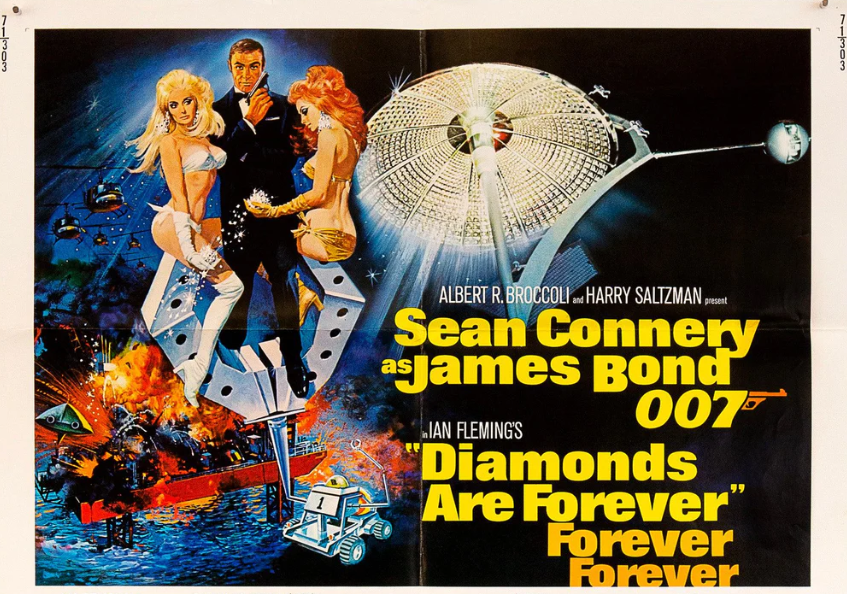
Diamonds Are Forever is a return and a second sendoff to Sean Connery as James Bond. George Lazenby took a damn good shot at playing 007 in 1969, but the company wanted Connery back and paid him $1,250,000, which was a fortune for that time. If you pay close attention, there are references to his one film absence in the movie.
In terms of the film itself, Diamonds Are Forever is like a sandwich with delicate deli meat sandwiched between cheap pieces of white Wonder Bread. The start of the movie is choppy, rushed, and dissatisfying. The ending is overblown with gunfire and tonally different from its best parts.
The meat and potatoes of Diamonds Are Forever are actually quite good. The back-and-forth quips between Bond and Blofeld are well-written and not overwrought with one-liners. The character of Bond does more sleuthing than karate chopping, and the character of Tiffany Case is one of the more intriguing Bond girls of Bond’s tenure. Mr. Kidd and Mr. Wint are amusing side characters who bring the most fun to the movie, and having them disassociated from the main plot makes it all the more fun.
Diamonds Are Forever won’t stick in your memory forever, but it’ll occupy two hours and give you a bit of a callback to the better bits of Connery as Bond, even if it doesn’t reach the potential peak.
STANKO RATING: C
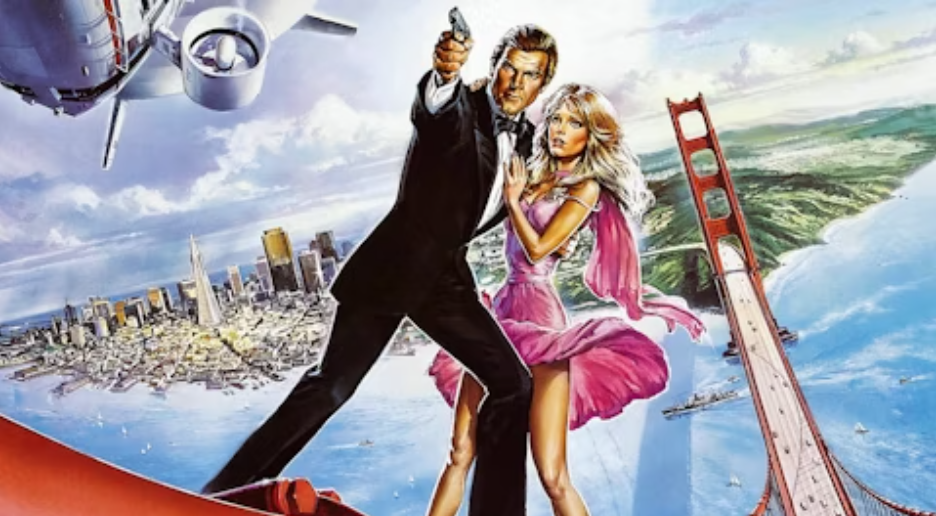
A View To Kill felt like a sendoff. Not in a bad, “Let’s get this over with” way. Roger Moore knew he was too old to play Bond, but dammit if he didn’t give it one final go. It is curious that the producers and Bond executives decided to keep Moore for one more ride after Connery returned with Never Say Never Again. It would have been an opportunity for a clean slate following legal issues, but they stayed the course instead.
First-time viewers of A View To Kill will be shocked to see that Christopher Walken plays the malevolent Max Zorin. He only goes about 75% Walken. Zorin lives in the realm of expensive horses, a landscape that Bond has yet to touch. The villainy plot has an air of originality, but it comes with a giant map to emphasize the point.
The Duran Duran theme song and May Day (Grace Jones) are two genuinely memorable things from A View To Kill. The villain’s right-hand consultants are not often women, and when they do happen, not many are as dangerous as May Day. She is on the short list of side characters that 007 doesn’t want to mess with.
Oh, and if a voice sounds familiar, look at Tanya Roberts’ IMDB. She plays Stacey Sutton in A View To Kill, but she is most known for Midge Pinciotti from That ‘70s Show.
STANKO RATING: C
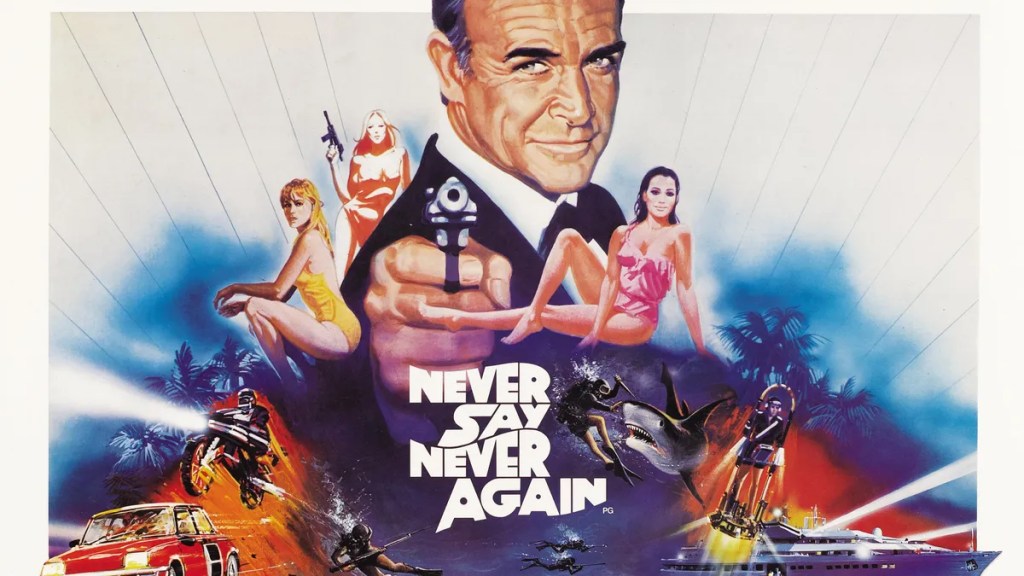
You thought that Sean Connery was done? Nope. He is back. This man gets many sendoffs, but his last is perhaps his best.
Never Say Never Again is not part of the traditional canon of 007. Executive producer Kevin McClory won a legal battle against Ian Fleming and the Broccoli family, resulting in a settlement allowing him to make his own Bond movie without any strings attached. That means that SPECTRE is back, as is Blofeld, and a few new numbers are under his control.
It’s a trip back in time, not just with the characters but with the character of Bond himself. Connery is old, so physical action is not the main currency. Nor is he cracking smiles and promiscuously sleuthing his way into secrets as often. Never Say Never again emulates some of the best assets that Connery Bond brought back in the 1960s.
Never Say Never Again also has one primary trait that I was not illuminated to until just hours before watching. There is a young Kim Basinger in this venture, and it’s very easy to see why she would become Hollywood’s “it” girl for some time. Surprisingly, I was there cheering the character of Domino on when she gets to kill the henchman, Maximilian Largo.
It also can’t go unstated that old-age Bond needs to go through training again, and the lack of faith in the British espionage agent sets the groundwork for what Skyfall would become.
STANKO RATING: B-
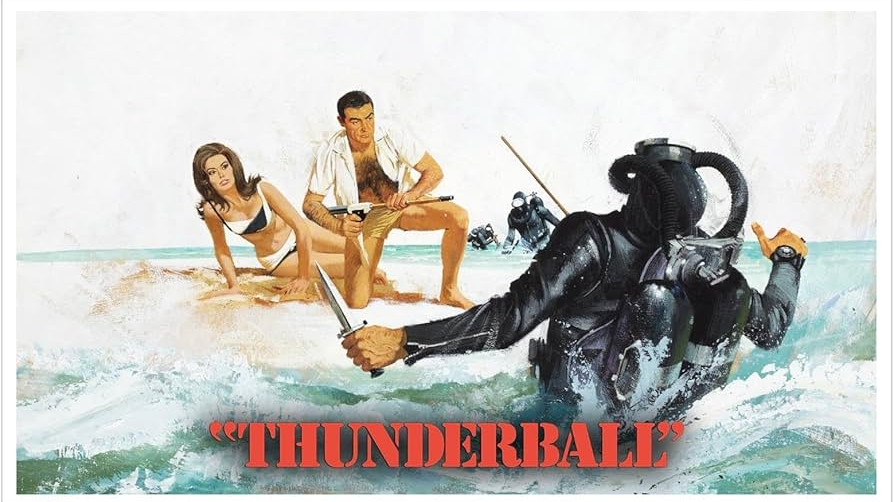
The fourth Bond movie in four years, Thunderball starts to show the straining wrinkles that would plague overstuffed Bond movies set to come in the future. There are the first signs of absurdity with jetpacks and man-eating sharks, yet despite the first cracks in the Bond visage, Thunderball still holds up as a good movie.
For the first time in the franchise, the Bond girls in this movie are not brainless. I’m not sure I would call them wise, but Domino and Fiona call out Bond for his normal tendencies with women. The wooing for help and sudden change of heart are not as drastic in Thunderball compared to other egregious oh my moments
From Russia With Love and Thunderball both do a great job of expanding the lore of SPECTRE. The slow unveiling of Number One and his attitude toward his subordinates is eyebrow-raising. Who is this man who has remote controls over fancy office chairs to kill those whom embezzled from his organization?
One could argue that Thunderball is Terence Young’s best-directing job. The man who directed three of the first Bond movies stretches his limits in Thunderball. One has to appreciate the commitment to underwater sequences. There is a full-on Revolutionary War-style charging at each other scene with loaded harpoon guns scene at the end of this movie. While it goes too long, it’s still visually and technologically impressive for 1965.
STANKO RATING: B-
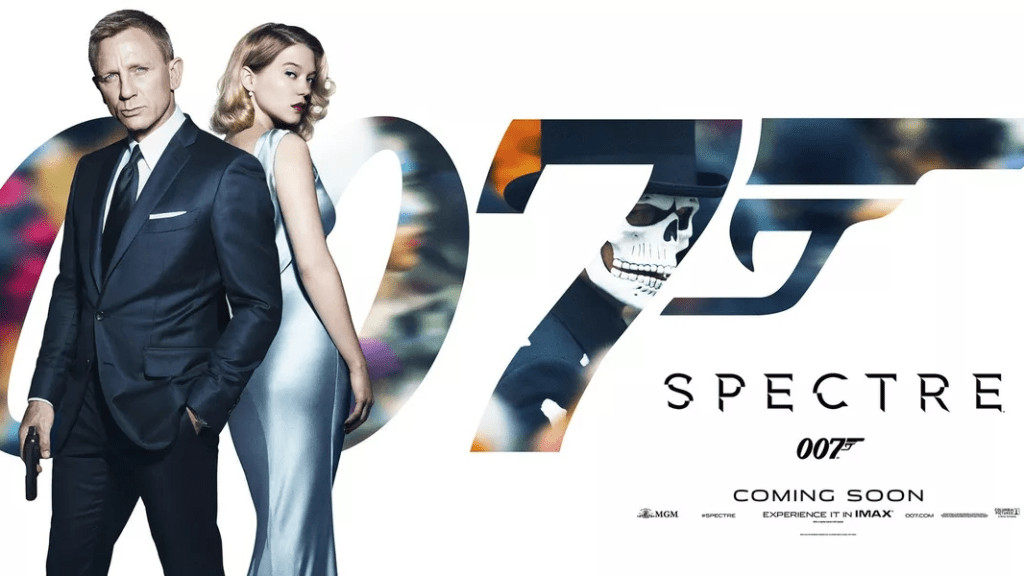
A rewatch with years of separation and a different appreciation for movie-making makes a world of difference. Sam Mendes returns for his second Bond, which is the only fair thing to do when his first go around was Skyfall, (perhaps) the best Bond of all time.
Spectre’s first 90 minutes are tantalizing with a slow pace and mystery that is remarkably different from the bombastic action many 007 adventures pace themselves with. The start of Spectre is over-the-top, but the opening of that bloom results in Bond slowly pulling away the pedals Christoph Waltz’s portrayal of Ernst Stavro Blofeld.
While Waltz is good, Spectre‘s saving grace is Léa Seydoux as Madeleine. Her performance is among the best for a Bond girl in the 007 franchise. Seydoux’s first interaction with Bond is a wee bit of a repeat from a psychology exam from Skyall, yet her tenor in the line readings makes it seem remarkably different. It is not Seydoux’s fault that she is the damsel in distress during the movie’s final stretch. That lies with the screenwriters.
I would be willing to bet that Seydoux will win an Academy Award before her acting career ends.
The downfall of Spectre is earsplitting. It wreaks of crowd appeasement. Everything, including/after Bond’s brain getting screwed (literally), feels different. Numerous visual moments make Bond look like the most badass man imaginable. Still, the sudden reliance on explosions, guns, and Brosnan-esq suspension-of-disbelief doesn’t fit Spectre’s’ best tonal moments.
STANKO RATING: B
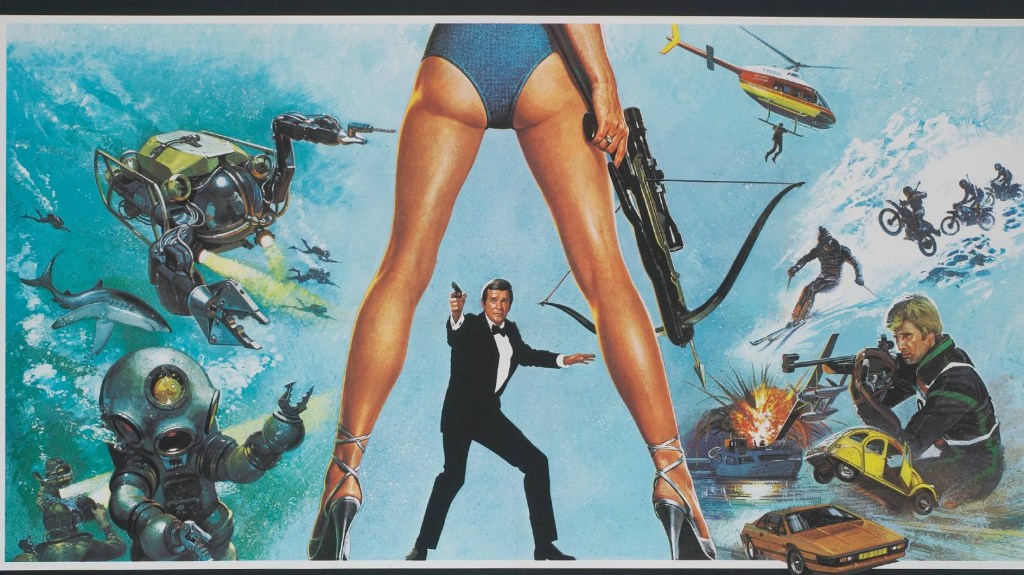
We are off to Greece! For Your Eyes Only is the first Bond film of the 1980s and the first 007 for director John Glen. The first of five Glen Bond movies is a breathe of fresh air for Roger Moore and the franchise. In the best way possible, For Your Eyes Only feels more like an 80s action movie than a Bond movie. The editing, score, vibe, and pace remind me more of the fun hero-led Stallone, Sly, and Kurt Russell adventures.
The other aspect that For Your Eyes Only has going for it is the final act and fight sequence. Much like The Man With The Golden Gun, this conclusion is not focused on a big battle royale but rather a quiet and proper espionage mission. The climbing of the rock face was a new stunt for the franchise, and the tension built up when Bond flails while the bad guy etching out the last foothold is palpable.
The movie’s ending is worth discussing, but we can’t ignore the strange beginning. A character who looks a lot like Ernst Stavro Blofeld takes control of Bond’s helicopter but then is disposed of…permanently (for a time). Because of some legal disputes, Blofield IP fell out of Albert R. Broccoli’s hands, which was how the establishment made its PR statement. It’s not the last time the scarred man, but it isn’t till 2015 that Blofeld reappears in the official timeline.
STANKO RATING: B
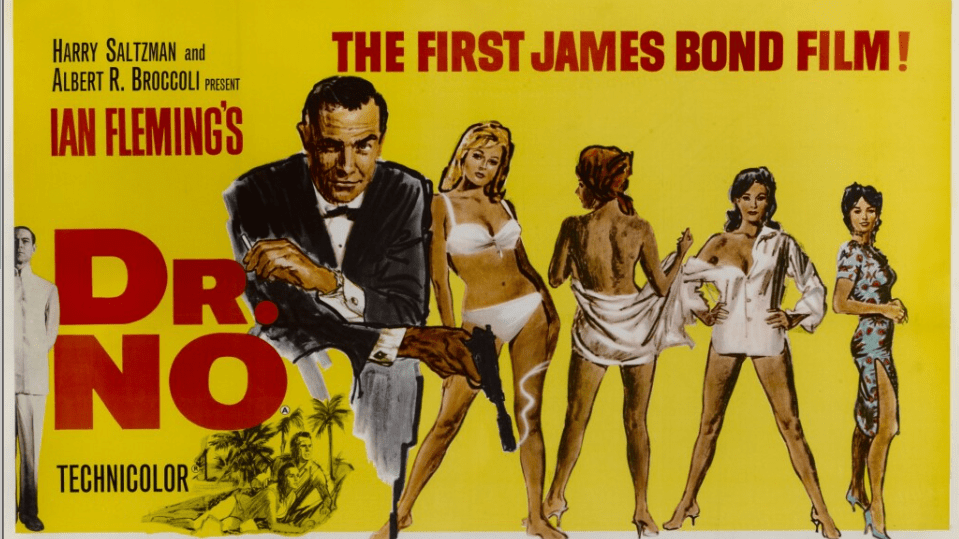
There is always something special about the first. In 1962, Ian Fleming’s international spy debuted in Terence Young’s Dr. No. Sean Connery isn’t on the screen to open the movie, but when he introduces himself at the poker table, it is impossible not to go all in.
Perhaps the enthusiasm for the rest of Dr. No is sugar-coated by what this franchise becomes. One can’t watch Dr. No without knowing Bond’s legacy on cinema and the world. The character breaks the mold, then resets it for all of time, and it starts with this movie.
Dr. No doesn’t feel like what a Bond movie would become. There are no major set pieces and the action is a tad clunky. But Dr. No has the classic bad guy giving a monologue, and it certainly has the quintessential bond girls. Honey Ryder (Ursula Andress) coming out of the water is iconic in itself, and it is brought back to life by Halle Berry in Die Another Day and Daniel Craig in Casino Royale.
The ending to Dr. No is slightly anticlimactic, and the movie’s stakes are confounding. The movie feels much more like a detective than an action movie, but this franchise evolves just like anything over time. It isn’t a bad thing, but it is a notable observation to those who have seen many of these movies.
STANKO RATING: B
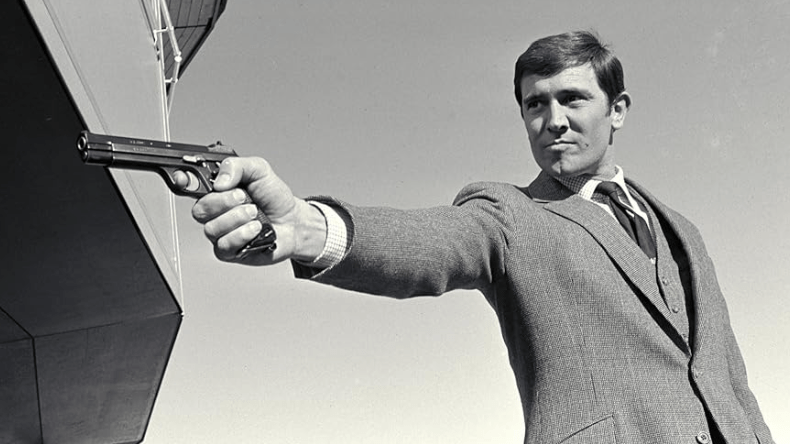
Hello, Diana Rigg. I would like to profess my love for you.
This one-off in the Bond franchise features George Lazenby in his only outing as 007. The model, who had never acted before, took this role as a human superhero like a fish does to water. Lazenby looks like he is having an absolute blast, and his young energy adds a different sense of vivacity. Lazenby doesn’t have the steely glare, but he has the smile. He has the physique, even if he doesn’t have chest hair.
On Her Majesty’s Secret Service dispenses with the zany gadgets but still has an avalanche of fun action and beautiful women. The skiing shootouts are fun, and the inspiration for a future Bond intro is evident, but I can not go any further without talking about Dianna Rigg.
Tracy is the first genuine love interest of Bond, and while it may have started as a bribery scheme by Tracy’s dad, in the end, it turned into something that could only end in disastrous heartbreak. Rigg has the sexiest introduction for any Bond woman in the series, and she remains beautiful throughout. Also, she isn’t afraid to give shit to Bond, her dad, or anyone. Dianna Rigg is a revelation.
And one little bit of fun trivia. This is the first time we see Bond cry. Hell, I would too if my wife was Dianna Rigg, and she was shot dead on our wedding day.
STANKO RATING: B
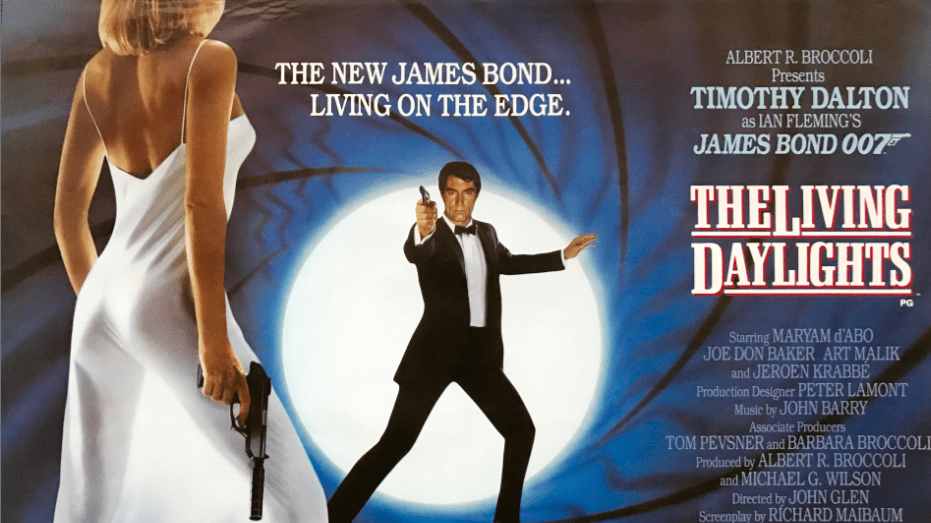
It is not original to say that The Living Daylights is a more grounded approach to Bond, but just because it’s been said before doesn’t mean it isn’t true. Timothy Dalton’s first of two outings as James Bond doesn’t have nearly the campiness or seductive power that Roger Moore and Sean Connery end up dripping to. Smiling is not something that Dalton’s 007 is prone to.
I want to ask the makers of the Uncharted games if they took inspiration from the end of The Living Daylights. IYKYK. Also, Bond is going up against a quintessential blond, beautiful KGB agent in Necros. Especially with Rocky IV (1985) coming out two years prior, Necros is like a slender Ivan Drago. And to think that Die Hard (1988) comes out a year later with another big blonde Russian baddie.
There are also plenty of recognizable faces that pop up. Jeroen Krabbé plays General Georgi Koskov in The Living Daylights, but most would recognize him as Dr. Charles Nichols from The Fugitive (1993). Then there is John Rhys-Davies, who reached fame playing Gimli in Lord Of The Rings but had already established himself in a franchise as Sallah in Indiana Jones films.
The Living Daylights is not a perfect movie. The ending is too long, and the movie is slightly bloated. While Bond’s battle with an outrageous greedy general in an armory museum is great fun, it was a quick add-on that felt poorly edited.
STANKO RATING: B
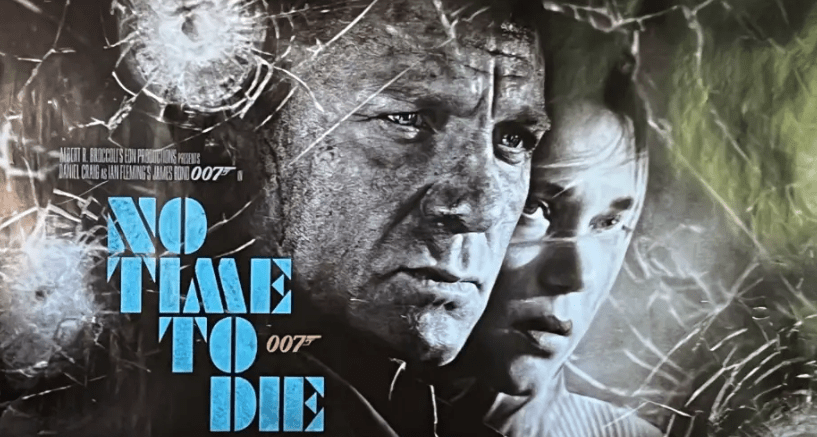
There were six years between Spectre and No Time To Die, which ties the longest gap between Bond films. It’s safe to say they took their time ensuring they got it right.
This ranking is perhaps higher than people would expect, but to call No Time To Die a disappointment or failure would be an injustice. First-time Bond director Cary Joji Fukunaga brings his flare for action while the screenplay (which has a loaded seven writers credited on it) has a great balance of visual and verbal homages.
Sure, the movie is too long. It nearly runs three hours. But who can blame the franchise for indulging in the franchise’s 25th movie, where the character’s end is more defined than any before?
Daniel Craig seems reinvigorated in this role. He shows more outward emotion than in any of his previous 007 films, making the ending heart-wrenching for those who have watched six decades of this character. Craig continues his great chemistry with Léa Seydoux. It’s rather ironic that their best scene together is in the bullet-rattled car when Bond is contemplating the meaning of love and life.
And damn, his blue eyes are really blue.
No Time To Die goes over the top with a villain who wants to destroy the world but also keeps this personal with the pain Bond and different characters suffer. Credit to everyone involved for making a proper send-off to Craig and for successfully hard-resetting the Bond universe.
STANKO RATING: B
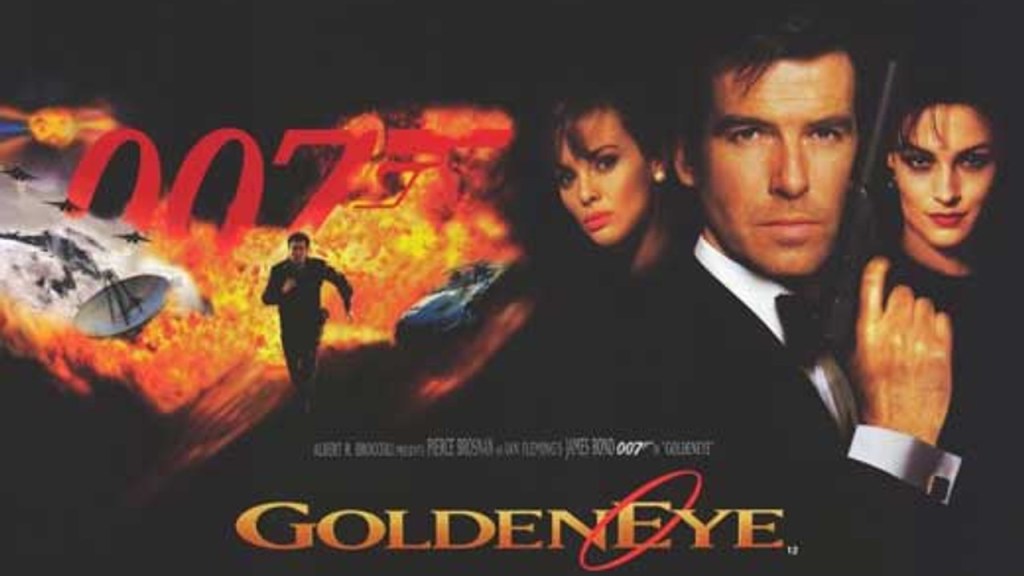
So many explosions. Really, an ungodly amount of explosions. But who cares? Goldeneye is a blast to watch, and the proof is in the fact that my fiancé watched this with me and didn’t need any context clues to be entertained.
The tank chase sequence is one of the best pursuit scenes in a 007 adventure. The carnage is outstanding. Xenia Onatopp is an absolute psychopath who is impossible to forget. As the bad guy, Sean Bean delivers his monologues well and looks the part of a foil to Bond. It’s not often that the main villain is willing to carry and use a gun.
GoldenEye’s director is Martin Campbell, which means that the director of The Mummy (1999) is responsible for two (very different) reboots of cinema’s long-reigning MI6 agent. Between this and Daniel Craig’s Casino Royale, it’s rather remarkable that he has been trusted twice to usher in a new audience to a new 007.
Then there is Dame Judi Dench. I mean this with no glib. Her introduction in GoldenEye, followed by the plot exposition and mission assignment, is one of, if not the most rewatchable scenes in the movie. Right from the get-go, she means business, and how she talks to Bond as a nasty mother figure lays the groundwork for what would come of her character later.
GoldenEye is a return to the blockbuster feel for 007. It is a big event with big explosions and big stars.
STANKO RATING: B
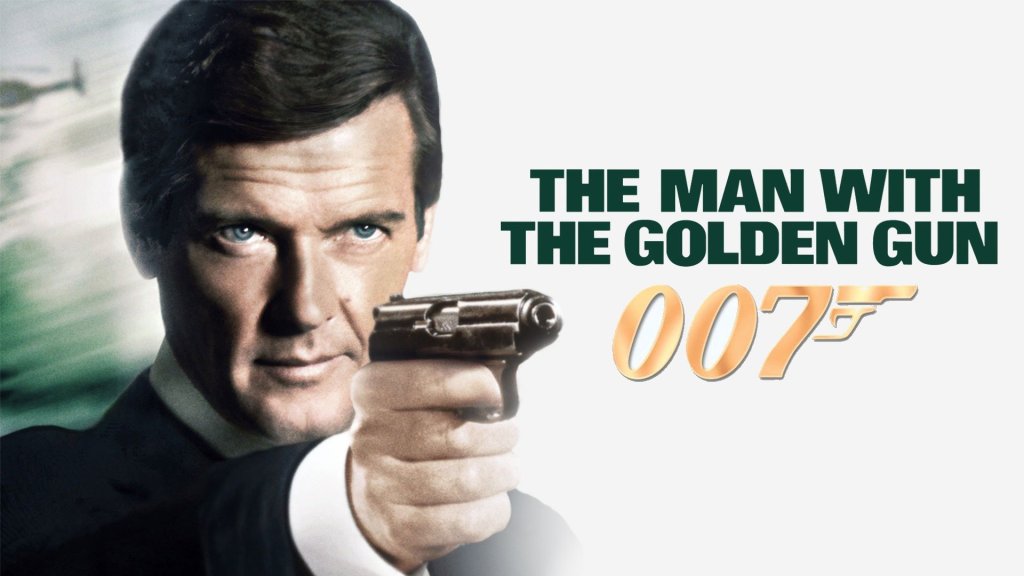
What an absolute delight. After the disappointment of Live And Let Die, expectations were low for this sequel a year later. However, Roger Moore finds his footing as 007, and Guy Hamilton delivers the goods in his final go-around as the director of Bond.
The Man With The Golden Gun throws the viewers into the fray using the same introduction as From Russia With Love: a hitman training other hitmen to be better killers. Christopher Lee’s calm and confident Scaramanga is a fantastic foil to Bond because they are essentially the same person but deployed differently. Bond works for Queen and Country while Scaramanga works for himself. We have seen Bond act on his own impulses before, but never just for money.
Scaramanga’s patented gun reminds me of an outstanding scene in Skyfall, where young Q hands Bond a new toy: “The Walther PPK/S nine-millimeter short. It’s been coded to your palmprint, so only you can fire it. Less of a random killing machine, more of a personal statement.”
The Man With The Golden Gun also sticks out with a trend-breaking ending. There isn’t a massive gunfight at the conclusion; rather, it’s a one-on-one duel that returns full circle to the movie’s start. Seeing Bond match brains and not just brawns against a worthy villain allows the characters to take the focus and not the flying extras being flung by explosions.
STANKO RATING: B
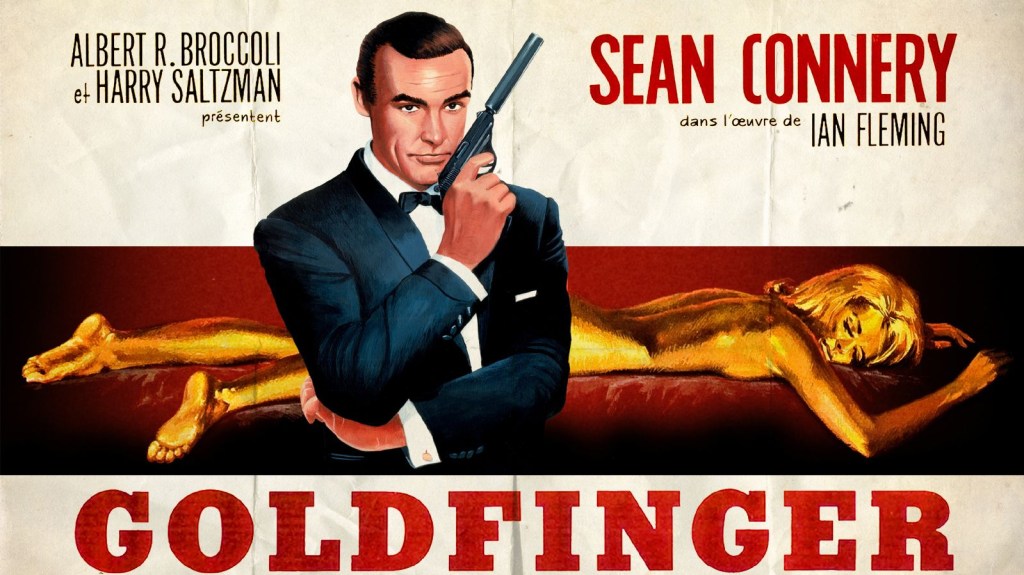
The test case for a successful Bond movie needing a stellar villain begins here, with Goldfinger. The first of 007’s movies not to be directed by Terence Young, Guy Hamilton infuses more action and allows for Goldfinger to cook as the antagonist. It is the first movie where Bond doesn’t bear the brunt of the entertainment value. Gert Fröbe, thanks for a truly larger-than-life villain.
Let’s throw some cold water on a beloved movie. Goldfinger does not hold up as well as one hopes regarding a “whole” movie experience. Some scenes are undeniably rewatchable (the golf sequence, for one), but there are story shortcuts one can’t ignore. Pussy Galore was wooed by Bond enough to change the gas? That seems a little weak.
Then there are some of the action scenes. The chase sequence in the factory is jarring, with the frame rates changing to speed up the action. Goldfinger is from a different time, and it’s not fair to harp on the technical side, but it is a weaker point of the movie. It’s not shut-off-the-movie bad by any means, but it’s noticeable, and unless you have the love for the franchise to overlook it, then it’s worth a note.
Goldfinger has all the components one needs to enjoy a Bond movie, but it’s not cemented in the upper-tier echelon. But it’s still great! The one-liners and plot are top-notch, and Mr. Goldfinger walks away with the most memorable prize trophy.
STANKO RATING: B
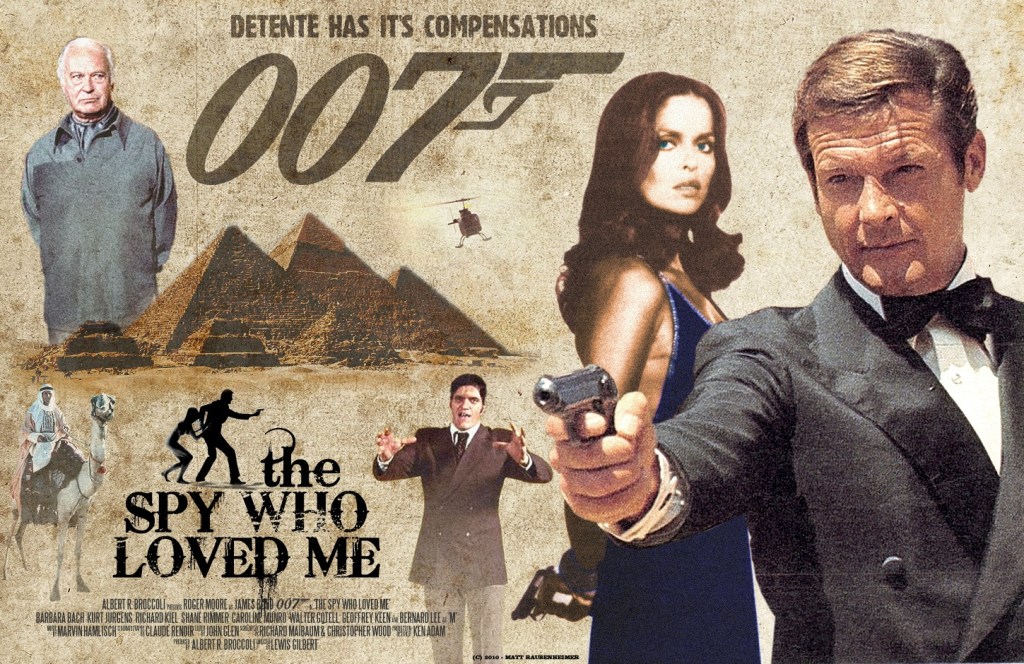
The Spy Who Loved Me surpassed expectations and stands tall as Roger Moore’s crowning achievement as 007. The movie takes the bold step of giving Bond a partner who is not totally incompetent and takes extra pride in the chemistry between the two international spies.
Barbara Bach as Major Anya Amesova, better known as XXX, is one of the best female characters to appear in this espionage universe. The twist at the start, where it is actually her bed that she and the other Russian agent share, is a quick bit of storytelling genius. And the fact her lover died just before getting to see Bond jump off a cliff and unfurl a flag of his country as a parachute…that’s just a tough break.
The Spy Who Loved Me also has another notch in its favor with the outstanding side character of Jaws. A man with steel teeth is a crazy concept for a villain, but the zaniness of it works. The magnet at the end to drop Jaws in the pool of sharks is clever, but Jaws killing the shark is awesome. Imagine seeing that for the first time and not knowing he would be back?
We can’t move past The Spy Who Loved Me without stating that it’s one of the best-looking Bond movies. The lighting in Cairo is great, and the car chase scene is well-edited. The Spy Who Loved Me also scales a lot better than most other 007 adventures.
STANKO RATING: B+
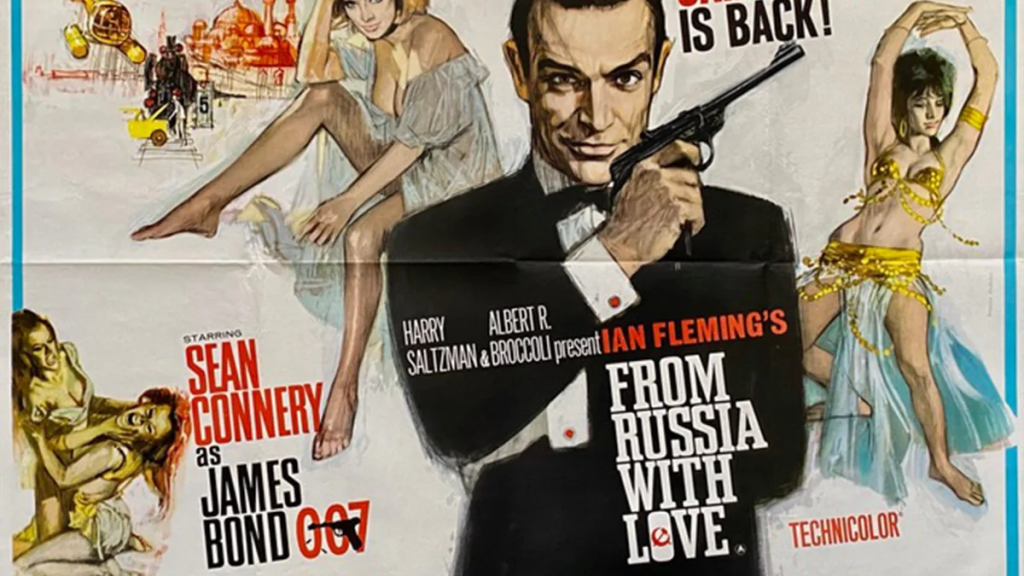
Right from the jump, From Russia With Love feels different. It feels scarier. Bigger.
As a sequel to Dr. No, the true original, From Russia With Love is a great example of a franchise stepping its game up and keeping its audience wanting more.
If folks were to go back and watch From Russia With Love now, they’d be surprised to see that James Bond gets beat up a bit. Nash is a worthy foe. He is a worthy rival. Nash himself keeps this movie alive and thrilling. When Nash is felled by Bond (sorry, spoiler), the movie itself suffers. The final 20 minutes revert back to Bond being indestructible. It reverts back to the enemies just being dumb.
And I admit it’s crazy to say “revert” because From Russia With Love is the second movie in this franchise. But if you have seen all the movies, this feels like a flashback, but it’s really the start of the invincible armor 007 seems to have.
That is why From Russia With Love succeeds and ranks among the best. More than 85% of this movie holds up without issue, and it’s remarkable to see Bond both vulnerable and indestructible. The lore of Spectre grows, and the first appearance of the cat. The end is classic “Oh you think it’s over” material, but don’t ever take away the venomous foot fight scenes from me.
Also, Daniela Bianchi as Tatiana Romanova. I might be in love with her.
STANKO RATING: B
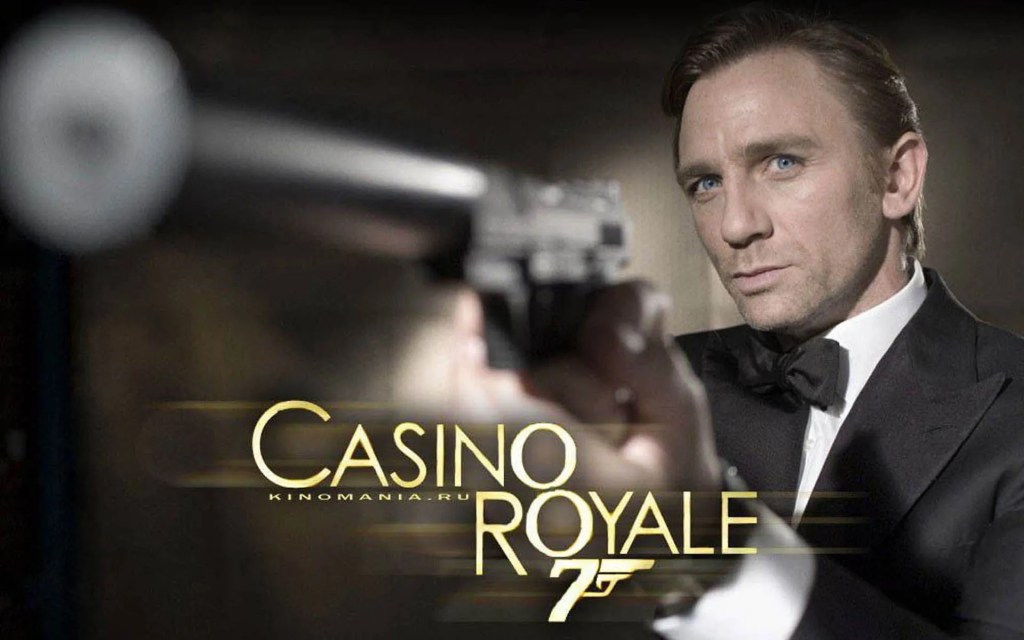
Casino Royale is the second, if not the first, Bond movie I ever saw. It is either this or Die Another Day.
Daniel Craig’s debut is a grounded approach to 007, which is most welcome. This script’s approach to the character and the story is evident right from the jump with a nasty black & white fist fight. We see Bond get his literal license to kill. We see him make mistakes, become human, and then turn back into a ruthless robotic killing machine. It’s a mighty big leap to take for one Bond movie.
The spoon that stirs Casino Royale’s drink is Eva Green as Vesper. Simply put, Eva Green is my favorite bond girl of all time. The scene on the train, when she is first introduced, is one of my most rewatched movie clips on YouTube. Was a shame Vesper had to die, but her death sets the tone for the Craig version of Bond.
There are times that Casino Royale is my favorite Bond, yet upon another rewatch, the argument that its plot is confusing is valid. Perhaps including Mr. White somehow in the second act would have helped piece the puzzle together.
What Casino Royale is far superior at compared to the rest of the Craig Bond filmography is the quotability factor. Whether it be a perfectly formed ass, a martini anyway you please, or a poker game that almost kills you…Bond is on one in Casino Royale.
STANKO RATING: A
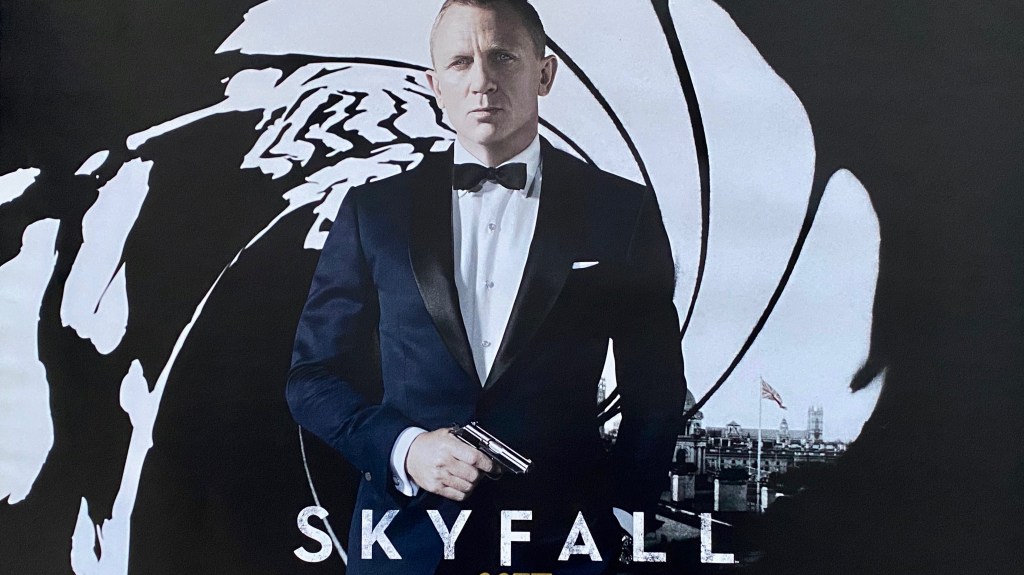
The perfect blend of nostalgia and new. Skyfall manages to weave Bond’s different eras beautifully in many different ways. Sam Mendes, Roger Deakins, Daniel Craig, Javier Bardem and Dame Judi Fuckin Dench bring their “A” games for a rip-roaring action movie worth recommending to die-hards and newcomers.
The story of Skyfall is a thread that touches back to the original Dr. No “for country” mantra but blends in the new idea of where the “shadows” of society really are. The concept that the past is our darkest shadow that crawls back up to wreck you is something everyone can relate to.
It’s worth noting that outstanding performances accent Deakins and Mendes’ visual splendor. Silva is an all-time villain, and that is all due to Bardem’s innovative approach. Dench throws 100 MPH every time she steps on stream, and Craig expertly blends Bond’s vulnerability and stubbornness. Then there are the side characters like Q, who Ben Whishaw breathes a wonderful sense of fresh air. Skyfall doesn’t have a weak leg to stand on when it comes to the actors, or any other department for that matter.
The ebb and flow of the Craig era hit its peak here, with the middle movie of his five-film run. It’s hard to argue against it because Skyfall brings everything that makes Bond timeless into one single, iconic story. It’s a crowning achievement that will continue to stand the test of time.
STANKO RATING: A
The list below are all the major 007 films.
Stanko Excel Lists | Movies, Books, Podcasts. TV Shows
Stanko Letterdbox Account
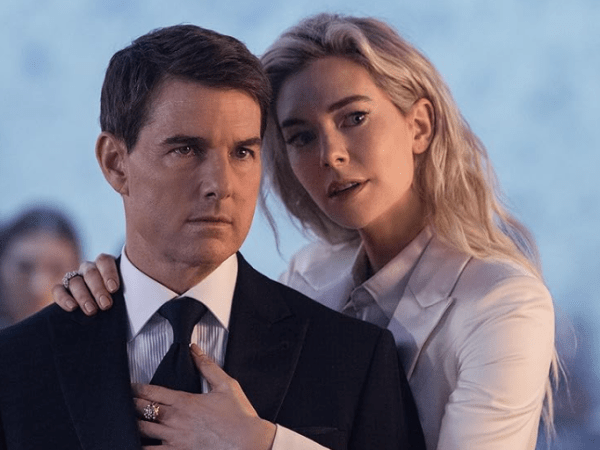
There is a lot happening in Mission: Impossible – Dead Reckoning. One could argue that there is too much going on.

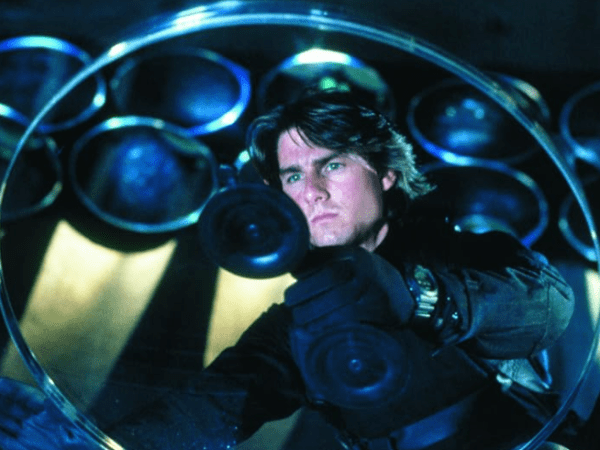
Much maligned as the worst of the Mission: Impossible franchise, Mission: Impossible II doesn’t do itself any favors upon rewatch.
MaXXXine (2024) “In 1980s Hollywood, adult film star and aspiring actress Maxine Minx finally gets her big break. But as a mysterious killer stalks the starlets of Hollywood, a trail of blood threatens to reveal her sinister past.” Director: Ti WestWriter: Ti WestCast: Mia Goth, Elizabeth Debicki, Halsey, Lily Collins, Kevin Bacon, Bob Cannavale, Michelle…


 Stanko's Stance